Global Japanese Sushi Rolls
Highlighted under: World Food | International Meals
I always find sushi-making to be a delightful challenge in my kitchen. With a variety of fresh ingredients and flavors, crafting sushi rolls allows for so much creativity! Each ingredient can add something unique, and I love experimenting with both traditional and modern fillings. In this recipe, I’ll show you how to prepare global sushi rolls that perfectly combine authenticity with an adventurous twist. Whether you're having a quiet dinner or hosting a gathering, these rolls are sure to impress!
I remember the first time I made sushi rolls at home. It felt like a culinary adventure as I meticulously laid out my ingredients, trying to replicate the flavors and textures I love from my favorite sushi restaurants. Finding the right balance between the rice, fillings, and sauces is crucial, and that’s what makes this recipe special.
One tip I’ve learned along the way is to keep your hands wet when handling the sushi rice; it prevents the rice from sticking to your fingers. This simple technique makes the process much smoother and helps achieve that perfect roll.
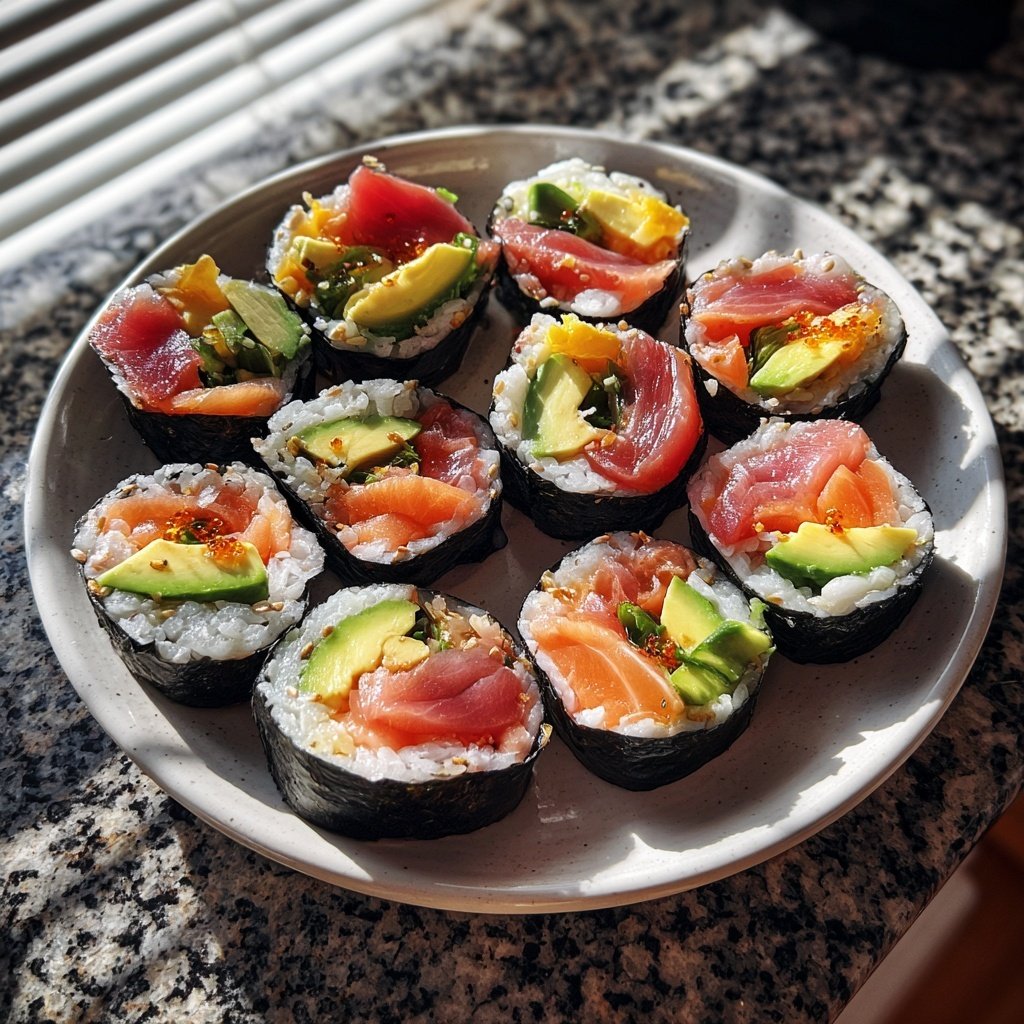
Why You'll Love These Sushi Rolls
- A delightful fusion of flavors from around the world
- Fresh, high-quality ingredients that you control
- Interactive and fun to make with family or friends
Understanding Sushi Rice
The secret to perfect sushi rolls lies in the proper preparation of sushi rice. It’s essential to rinse the rice thoroughly until the water runs clear, which removes excess starch and helps achieve that desirable sticky texture. Cooking it in a rice cooker is ideal, as it provides the right temperature and steam for even cooking. After cooking, letting the rice cool slightly before adding the vinegar mixture provides the right balance of flavor without becoming too mushy.
When mixing the seasoned rice vinegar into your sushi rice, use a gentle folding motion rather than stirring forcefully. This helps to coat the rice grains evenly without mashing them, maintaining their integrity. The result should be glossy rice with distinct grains that hold together when rolled but are not overworked. Optimal sushi rice should feel slightly warm and fragrant, providing an excellent base for your fillings.
Choosing and Preparing Fillings
Selecting the right fillings for your sushi rolls is crucial for balancing flavors and textures. For a classic taste, the combination of fresh avocado and cucumber offers creaminess and crispness, respectively. Cooked shrimp or crab sticks add a savory depth, while cream cheese introduces a rich, velvety element that works well with the other ingredients. Consider using a mixture of traditional ingredients and a splash of something unexpected, like mango or spicy tuna, to keep things exciting.
Prep your fillings by slicing them into long, thin strips to ensure easy rolling and even distribution in each bite. For avocado, this means cutting it in half, removing the pit, and slicing it while it's still in the skin. Gently scoop out the slices for beautiful presentation. If you're using raw fish, make sure it is sushi-grade for safety and vinegary flavor; always read labels carefully or consult with your fishmonger.
Serving and Storing Sushi Rolls
Once your sushi rolls are sliced, presentation is vital. Arrange your rolls neatly on a serving platter, and consider garnishing with sesame seeds or sliced green onions for an extra pop of flavor. Serve with a small dish of soy sauce for dipping and offer wasabi and pickled ginger on the side. These condiments add a spicy kick and enhance the flavors of the sushi rolls beautifully. Remember, a clean, sharp knife is key for cutting the rolls into even pieces without squashing them.
If you have leftovers, sushi rolls are best enjoyed the same day they're made, but you can store them in an airtight container in the refrigerator for up to 24 hours. To maintain freshness, place a damp paper towel over the rolls to prevent them from drying out. Avoid freezing because it can affect the texture of the rice and fillings. If you’re preparing in advance, keep components separate until you’re ready to roll, ensuring the best flavor and texture.
Ingredients
Ingredients
Sushi Rice
- 2 cups sushi rice
- 2 1/2 cups water
- 1/4 cup rice vinegar
- 2 tablespoons sugar
- 1 teaspoon salt
Fillings
- 1 cup cucumber, thinly sliced
- 1 avocado, sliced
- 1/2 pound cooked shrimp
- 1/2 cup crab sticks
- 1/2 cup cream cheese
Nori and Toppings
- 4 sheets nori (seaweed)
- Soy sauce for serving
- Wasabi (optional)
- Pickled ginger (optional)
Feel free to customize your rolls with your favorite ingredients!
Instructions
Instructions
Prepare Sushi Rice
Rinse the sushi rice under cold water until the water runs clear. Combine the rice and water in a rice cooker and cook according to the manufacturer's instructions. Once cooked, let it cool. In a small saucepan, mix rice vinegar, sugar, and salt over low heat until dissolved. Pour over the rice and mix gently.
Assemble the Rolls
Place a sheet of nori shiny side down on a bamboo sushi mat. Wet your hands and take a handful of sushi rice, spreading it evenly over the nori, leaving about an inch at the top. Add your choice of fillings in a line across the rice.
Roll It Up
Using the sushi mat, carefully lift the edge closest to you and roll it away from you, tucking the filling as you go. Press gently but firmly to keep the roll compact. Continue rolling until you reach the edge of the nori.
Slice the Rolls
Use a sharp knife (dipped in water to prevent sticking) to slice the roll into bite-sized pieces. Clean the knife between cuts for neater slices.
Serve
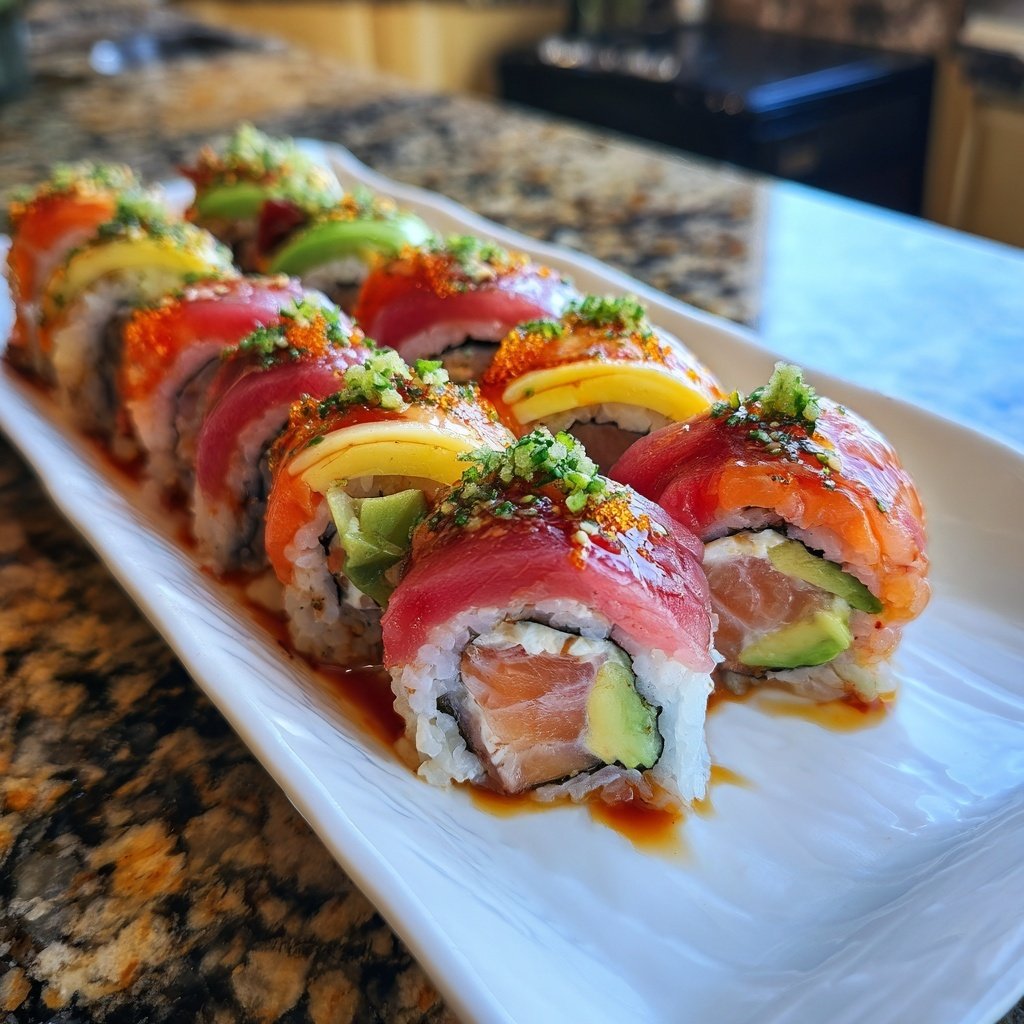
Arrange your sushi rolls on a plate and serve with soy sauce, wasabi, and pickled ginger on the side.
Enjoy your homemade sushi rolls with friends and family!
Pro Tips
- Experiment with different fillings to suit your taste. Popular options include grilled vegetables, teriyaki chicken, or spicy tuna!
Variations and Flavor Profiles
Don't hesitate to experiment with different flavors and ingredients in your sushi rolls. For instance, swapping shrimp for spicy tuna or opting for grilled vegetables can provide a delightful twist. You can also try using flavored rice vinegar or adding a bit of sesame oil to the vinegar mixture for an enhanced depth of flavor. If you’re looking for a vegetarian option, filling your rolls with mixed vegetables or tofu can be equally satisfying.
Additionally, you can explore different types of nori. While traditional nori works well, there are also flavored variants, like wasabi or sesame, that add another layer of taste. If gluten-free is a priority, ensure to use gluten-free soy sauce or opt for tamari.
Troubleshooting Common Issues
If your sushi rolls are falling apart, it’s likely due to insufficient rice, improper rolling, or not wetting your hands while handling the rice. Make sure you’re using enough rice to hold the ingredients together, but not so much that it overpowers the fillings. When rolling, keep the filling compact while gently pressing the roll as you go. This technique not only helps keep the roll firm but also ensures a well-balanced bite.
Another common issue is rice that becomes too sticky or mushy. If this happens, it may be a sign of overcooking or not rinsing properly. To remedy this, when rinsing, ensure that you’re washing until the water is completely clear. Keeping the rice slightly undercooked can also help if you prefer it to be firmer. If needed, add a little more rice vinegar to enhance flavor without compromising the texture.
Make-Ahead Tips
To save time, you can prepare ingredients for your sushi rolls ahead of time. Sushi rice can be made a day before and stored in the refrigerator as long as it’s kept in an airtight container. You might want to reheat it slightly in the microwave before using it to roll, ensuring it's not too cold when you start assembling your sushi.
As for fillings, pre-sliced vegetables and protein can keep fresh in the fridge for several hours. Just be careful with items like avocado, which can brown quickly. To prevent this, squeeze a little lemon or lime juice over the sliced avocado to maintain its vibrant color until you’re ready to roll.
Questions About Recipes
→ Can I make sushi rolls in advance?
Yes, you can prepare the sushi rolls a few hours ahead of time, but it's best to eat them fresh to enjoy the perfect texture.
→ What should I serve with sushi?
Sushi is often accompanied by soy sauce, wasabi, and pickled ginger. You can also add a side of miso soup or salad.
→ How can I make sushi rice sticky?
Using the right type of rice, such as sushi rice, and properly seasoning it with rice vinegar, sugar, and salt will give you that perfect sticky texture.
→ Is sushi safe to eat?
Sushi made with fresh ingredients from reputable sources is safe to eat. However, make sure to use sushi-grade fish if you're including raw seafood.
Global Japanese Sushi Rolls
Created by: The Chefericcooks Team
Recipe Type: World Food | International Meals
Skill Level: Intermediate
Final Quantity: 4 servings
What You'll Need
Sushi Rice
- 2 cups sushi rice
- 2 1/2 cups water
- 1/4 cup rice vinegar
- 2 tablespoons sugar
- 1 teaspoon salt
Fillings
- 1 cup cucumber, thinly sliced
- 1 avocado, sliced
- 1/2 pound cooked shrimp
- 1/2 cup crab sticks
- 1/2 cup cream cheese
Nori and Toppings
- 4 sheets nori (seaweed)
- Soy sauce for serving
- Wasabi (optional)
- Pickled ginger (optional)
How-To Steps
Rinse the sushi rice under cold water until the water runs clear. Combine the rice and water in a rice cooker and cook according to the manufacturer's instructions. Once cooked, let it cool. In a small saucepan, mix rice vinegar, sugar, and salt over low heat until dissolved. Pour over the rice and mix gently.
Place a sheet of nori shiny side down on a bamboo sushi mat. Wet your hands and take a handful of sushi rice, spreading it evenly over the nori, leaving about an inch at the top. Add your choice of fillings in a line across the rice.
Using the sushi mat, carefully lift the edge closest to you and roll it away from you, tucking the filling as you go. Press gently but firmly to keep the roll compact. Continue rolling until you reach the edge of the nori.
Use a sharp knife (dipped in water to prevent sticking) to slice the roll into bite-sized pieces. Clean the knife between cuts for neater slices.
Arrange your sushi rolls on a plate and serve with soy sauce, wasabi, and pickled ginger on the side.
Extra Tips
- Experiment with different fillings to suit your taste. Popular options include grilled vegetables, teriyaki chicken, or spicy tuna!
Nutritional Breakdown (Per Serving)
- Calories: 450 kcal
- Total Fat: 14g
- Saturated Fat: 2g
- Cholesterol: 120mg
- Sodium: 100mg
- Total Carbohydrates: 65g
- Dietary Fiber: 4g
- Sugars: 2g
- Protein: 15g